

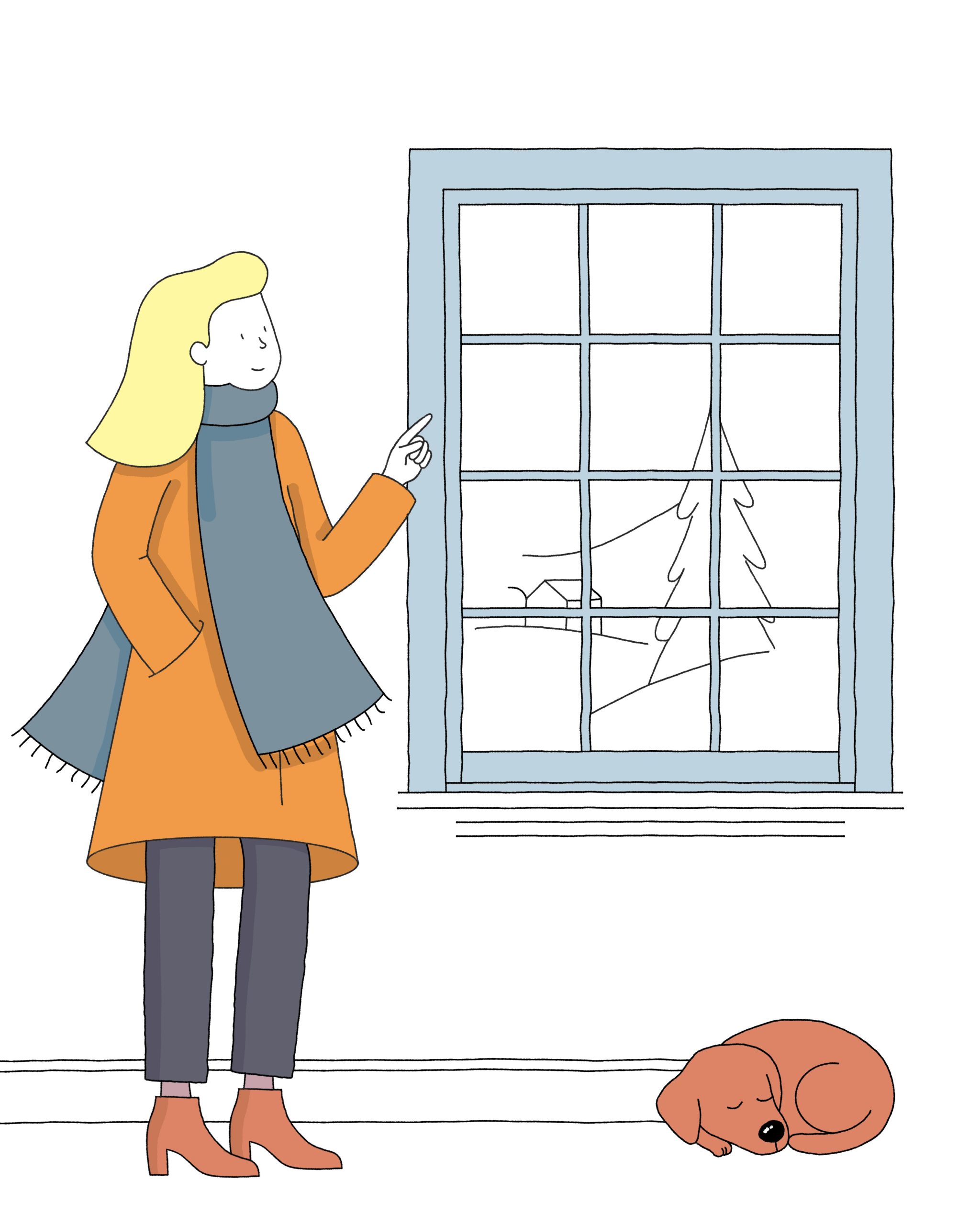

Windows: What They Reveal About Your Home
They're one of the hardest-working parts of your home, quietly managing temperature, moisture, ventilation, and light—all while taking the brunt of Vermont's changing seasons.
Windows do more than frame a view. When they start to fail, even in small ways, the ripple effects can show up as higher energy bills, persistent drafts, moisture problems, or discomfort you can't quite put your finger on.
Winter is often the first to expose these issues. Cold air finds the weak spots. Frost forms where it shouldn't. A little fog between panes suddenly becomes impossible to ignore. The good news: many window problems are detectable long before they turn into costly replacements. Here's what every homeowner should know.
1. Old Windows Aren't Always Bad—But They Do Need Attention
Vermont has homes of every age and style. Older windows can be charming and sturdy, but wood frames deteriorate over time, seals dry out, and hardware loosens. Any combination of these can create:
- Drafts around the frame
- Rattling or loose panes
- Difficulty opening or closing
- Cold spots in certain rooms
Routine inspection can help extend the life of older windows, but sometimes a repair or upgrade is the only way to regain comfort and efficiency.
2. Cracks, Chips, and Frame Damage
A small crack in a pane may seem harmless, but even minor damage can:
- Spread during freeze/thaw cycles
- Let moisture seep into the frame
- Increase heat loss
- Compromise safety
Frames also shift over time. Wood swells, vinyl warps, and settling can create gaps that allow air—and even pests—to slip through. Identifying this early helps avoid deeper structural or moisture issues.
3. Broken Seals: The Foggy Window Giveaway
If you see fog, moisture, or a milky film between double- or triple-pane glass, the seal has likely failed. Once the insulating gas escapes, so does:
- Energy efficiency
- Temperature control
- Clear visibility
While a failed seal doesn't always require a full window replacement, it does mean the window isn't doing its job. In cold Vermont winters, that can show up quickly on your heating bill.
4. Drafts and Air Leaks: The Silent Money Drain
Air leaks are among the biggest hidden energy losses in a home. Even a slight draft can make your heating system work overtime. Common culprits include:
- Gaps between the window and the frame
- Old or deteriorated weatherstripping
- Loose locks or poorly closing sashes
- Improper installation from years past
A simple candle test—or even standing near the window on a windy day—can reveal more than you'd expect.
5. Moisture, Mold, and Rot: When Windows Tell a Bigger Story
Condensation on the interior glass can indicate normal humidity—but persistent moisture around the frame, sill, or walls may signal:
- Poor ventilation
- Failing seals
- Rotting wood
- Water intrusion from outside
Left unaddressed, moisture invites mold and structural damage. Early detection makes repairs far more manageable.
6. When It's Time to Call a Professional
Not every window issue means replacement. Sometimes a tune-up, caulking, or weatherstripping is enough. But if your home shows:
- Consistent fogging or seal failure
- Windows that won't open or close
- Perpetual drafts despite repairs
- Visible rot or water damage
- Significantly higher energy bills
…it may be time to explore repair or replacement options.


