

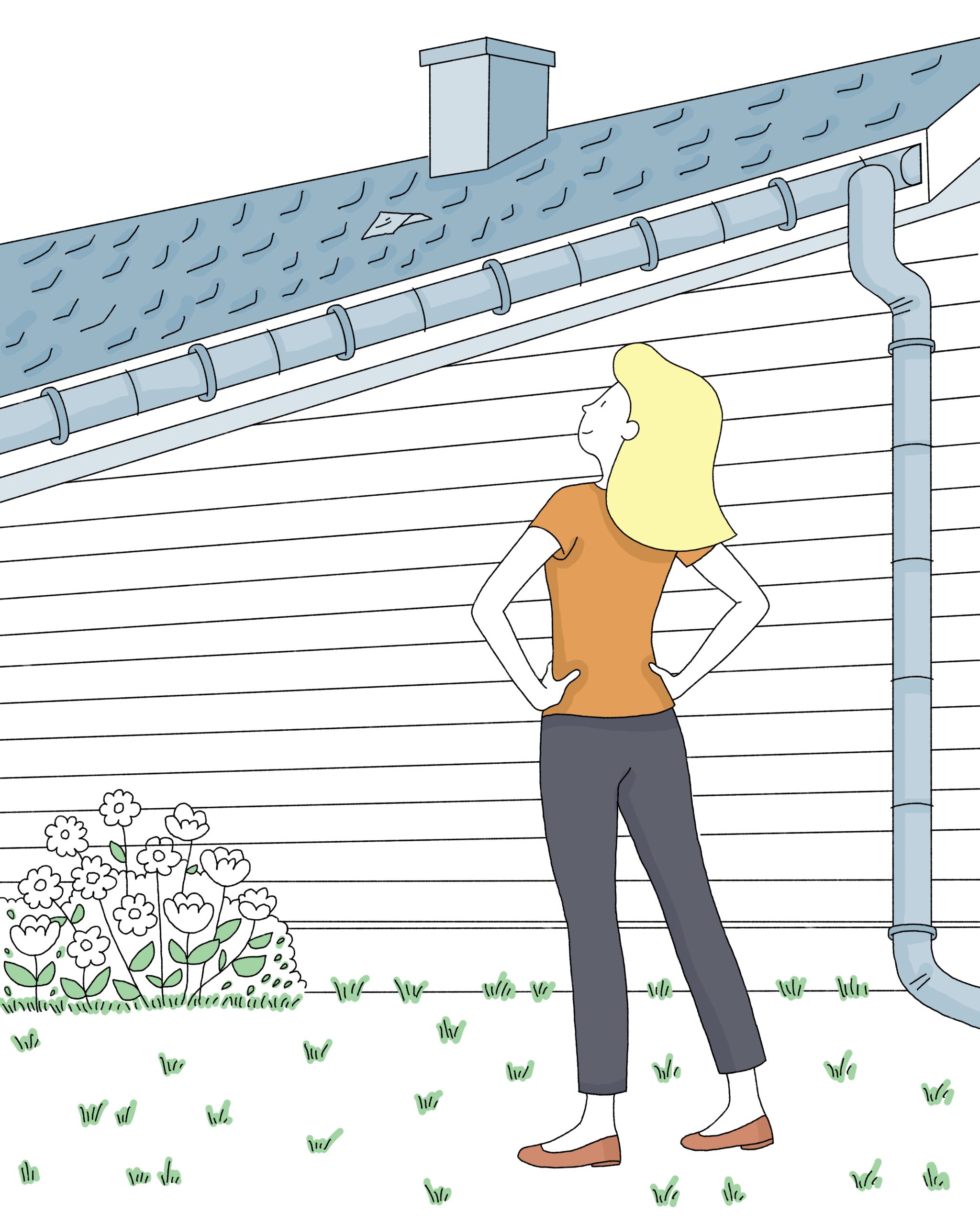

What Every Vermont Homeowner Should Know About Their Roof
Vermont Living · June Edition
After twenty-plus years of walking through home inspections across Chittenden County and beyond, there are certain conversations I have over and over again. Roofs are near the top of that list
Not because roofs are mysterious. But because most homeowners, buyers and sellers alike, haven’t spent much time thinking about what’s actually up there until someone points something out on an inspection report.
One of the most common moments I see? A home inspector mentions the ridgeline, and the buyer nods. Then quietly asks me afterward: what’s the ridgeline?
It’s the peak of your roof, the horizontal line where two slopes meet at the top. And it tends to take more abuse than almost any other part of the roof. Wind hits it from both sides. It’s the last place water drains from. Flashing and ridge cap shingles sit there doing quiet, critical work, and when they start to go, it shows up in inspection reports before almost anything else does.
Another thing that surprises people: not every side of a roof ages at the same rate. In Vermont, the south and west-facing slopes often take more sun exposure and weather than the north-facing side. It’s not unusual to see one slope that needs attention while the other has years left. A good inspector will note this. A good roofer will walk you through your options.
I’m not a roofer. What I am is someone who has stood in a lot of Vermont yards, looked up at a lot of rooflines, and paid close attention to what comes up year after year. These are the patterns I see.
Want to Go a Little Deeper?
If you want to go deeper, roof types, what flashing actually does, and why your gutters matter more than you might think, I’ve put together a series of posts over on Vermont Living Guide. No expertise required to read them. Just practical information for anyone who owns a home or is thinking about it.


