


Out in the Open: Your Complete Deck Assessment Guide
Vermont Living · May Edition
There’s a moment every May in Vermont when decks come back to life.
Chairs get pulled out. Cushions appear. Someone inevitably says, “We should spend more time out here this year.”
But before that first glass of wine or early morning coffee, it’s worth pausing for a few minutes and looking at what winter may have quietly done.
Because decks, more than almost anything else on a home, take a beating. Freeze. Thaw. Snow load. Ice. Sun. Repeat.
what looks “fine” at a glance can tell a very different story when you slow down and really look...
Start Here: The 5-Minute Walkthrough
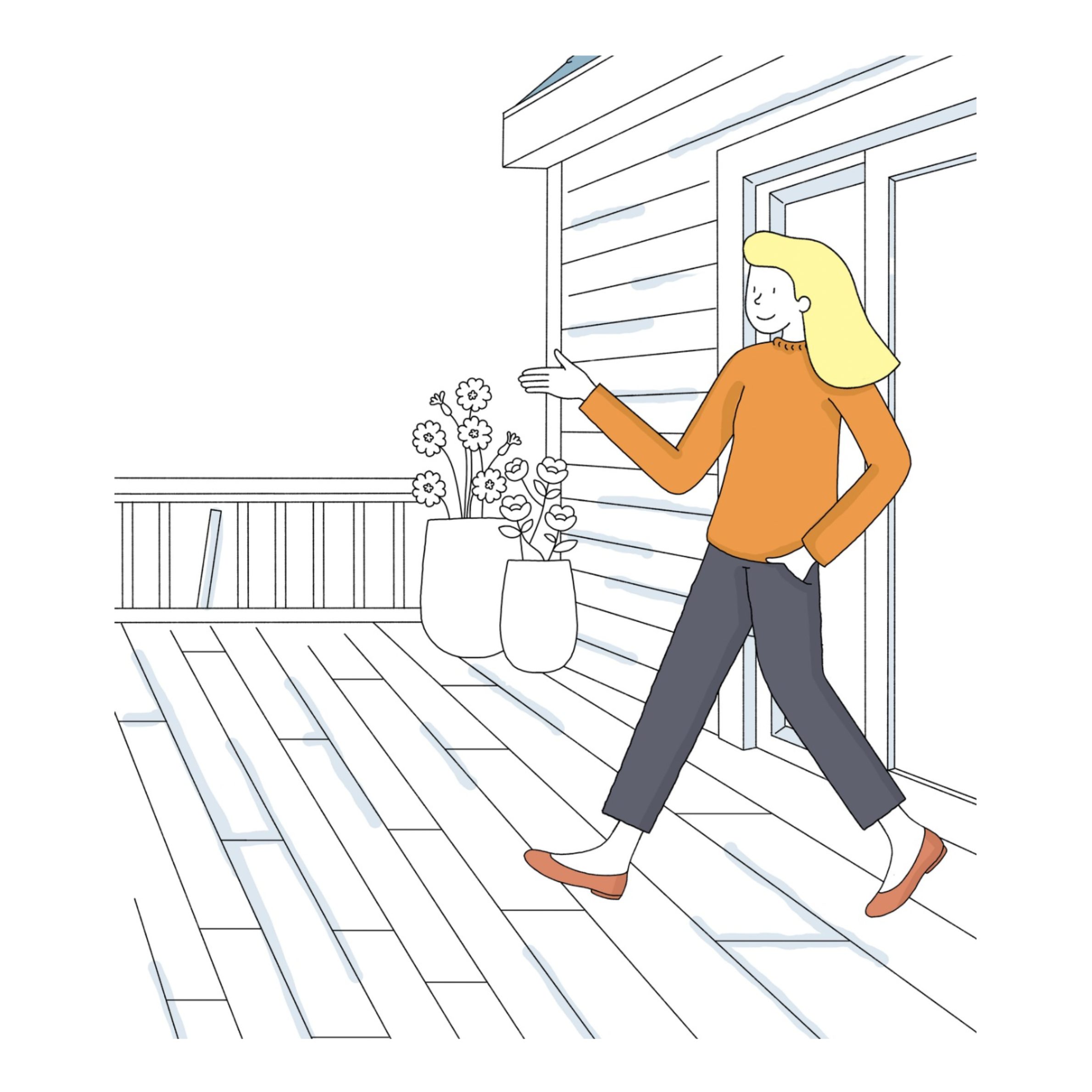
If you do nothing else this spring, walk your deck with intention. You’re not looking for perfection. You’re looking for movement, deterioration, or anything that feels different than last year.
Five things to check before you do anything else:
• Does anything feel soft underfoot?
• Are boards splitting, cupping, or lifting?
• Do railings feel solid when you lean on them?
• Are there any areas pulling away from the house?
• Do you see rust, corrosion, or missing fasteners?
Where to Look More Closely
Surface and Boards
Sun and moisture do the most visible damage here. Fading is cosmetic. Softness, splintering, or rot is not.
Railings and Stairs
These are safety features, not design details. If they move when you test them, they need attention.
Structure Underneath
Not glamorous, but critical. Joists, beams, and supports should feel solid and dry. This is where small issues become big ones if ignored.
The Connection to the House: Most Important
This is the most important part of your deck, and the most overlooked. The ledger board and its attachment to the house structure is where failure tends to start. If you’re going to look closely anywhere, look here.
The Vermont Reality
In warmer climates, a deck might age slowly. In Vermont, it doesn’t.
Moisture sits longer. Freeze-thaw cycles expand and contract materials. Snow weight adds cumulative stress. And when spring finally shows up, everything reveals itself at once.
That’s why May is exactly the right time to look.
Real Estate Perspective
A well-maintained deck doesn’t just look nice. It changes how buyers feel about the entire home.
It signals care. It extends usable living space. It removes one more project from a buyer’s mental list. And in a market where buyers are paying close attention to condition, that matters more than sellers often expect.
When to Act
Once you’ve done your walkthrough, the path forward usually falls into one of three categories:
• Cosmetic wear: Clean and seal. A good weekend project.
• Isolated damage: Targeted repairs before the season starts.
• Structural concerns: Professional assessment. Don’t wait.
If you’re unsure which category you’re in, this is one of those areas where a quick professional opinion is genuinely worth it. A deck contractor or experienced home inspector can usually give you a clear read in under an hour.
Final Thought
Your deck is not just an outdoor feature. It’s an extension of how your home lives.
And in Vermont, where we wait all winter to be outside again, it should be ready when you are.
Want to Go a Little Deeper?
For more stories, tips, and the kind of detail that actually makes a difference, from wood species and finish chemistry to the inspection red flags most buyers miss, visit us at VermontLivingGuide.com. We go just a bit further into the things about your deck you didn’t even know you cared about.


